H5N1 Bird Flu is here. What can we do about it?
Australia has finally been hit by the deadly H5N1 bird flu that’s been tearing through the rest of the world since 2021. There are now more than 200 confirmed cases across five states, with most in South Australia. Testing has also confirmed the first big mass die-off of wild birds on an island off SA’s south-east coast.
Here is everything you need to know about the bird flu:
What is bird flu?
H5N1 is a highly pathogenic strain that’s wiped out hundreds of millions of birds overseas and jumped into mammals. Until now, Australia (and New Zealand) had somehow stayed clear. That streak is over.
Signs of the bird flu can vary from animal to animal, but here are some common warning signs to look out for:
Wild birds:
- droopy or puffed-up appearance
- unusual head or neck posture
Poultry:
- sudden drop in egg production
- swollen head or limbs
- bruising on comb, feet, or skin
- runny nose
Mammals:
- seizures, tremors or walking in circles
- drooling or runny nose
Can people catch it?
Human cases are still rare, but the risk is real enough that authorities are taking it seriously. The main advice right now is simple: don’t handle sick or dead birds.
What about my pets?
Dogs and cats can pick it up if they come into contact with infected birds. Keep them away from any dead wildlife and report anything suspicious.
Keep dogs on a leash and cats contained, especially near wildlife.
Are eggs still safe?
Yes. Properly cooked eggs and poultry from commercial farms remain fine. The bigger worry is wild birds and backyard chooks.
Didn’t we deal with bird flu?
We’ve had other strains before, but this H5N1 version is different and more aggressive. It’s already shown it can affect mammals as well as birds.
Which animals are most at risk?
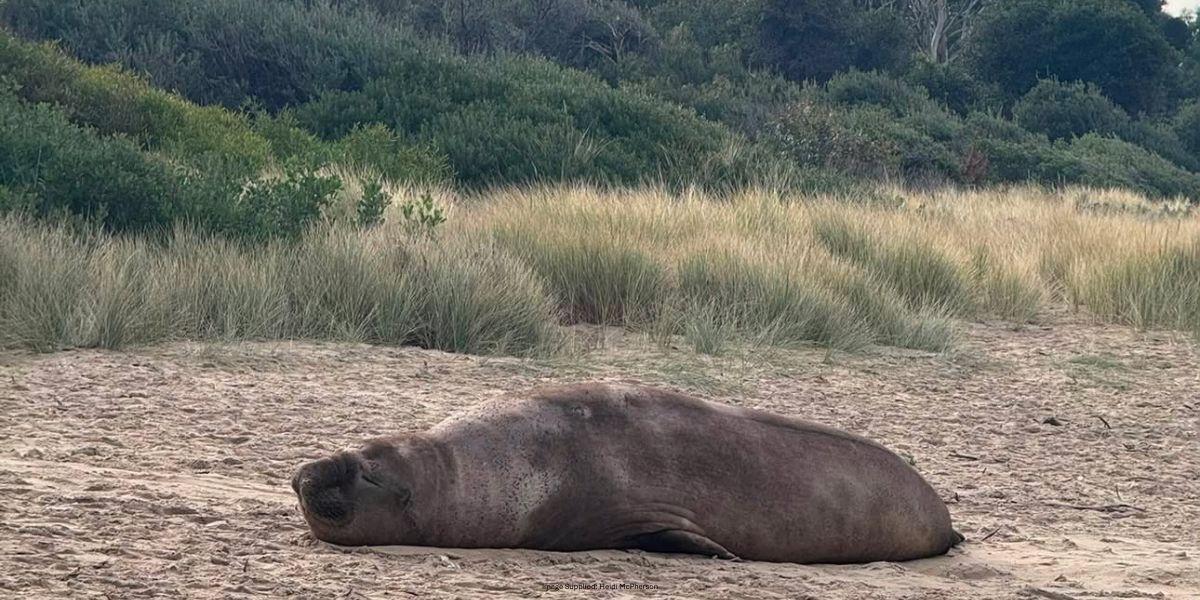
The federal government has ranked more than 2,000 native birds and mammals. 386 species are sitting in the high-to-extreme risk category. Seals, sea lions and dolphins are right up there. Environment Minister Murray Watt has already flagged that we’re likely to see more mass die-offs.
The full list can be found here: National risk scores for H5 bird flu for native birds and mammals
We’ve already had a mass mortality of baby seals on Australia’s remote Heard Island.
Environment Minister Murray Watt saying “We’ll do everything we can to try to keep those species at a population level that they’re still going to be around forever, but it’s going to have very serious impacts.”
Seabird expert Simon Gorta from UNSW put it bluntly: “These species were already under pressure. Adding a disease this nasty is a major conservation worry.”
What’s being done to stop it spreading?
A new national poultry biosecurity framework kicked in on 31 July. State and territory governments are handling the day-to-day surveillance, while the feds coordinate the overall response.
But the experts say everyday Australians are the real eyes on the ground.
University of Sydney’s Associate Professor Campbell-Ward says, “This is certainly a disease of global importance and every citizen can play their role. Australia and New Zealand are the last region in the world to be impacted by this disease,”
“Avoid contact with that animal. It’s really helpful to record what they see, and then call the hotline and advice will be provided.”
If you see a sick or dead bird:
- Do not touch it
- Note the exact location and take a photo if you can
- Call the Emergency Animal Disease Hotline straight away: 1800 675 888
You can find out more at birdflu.gov.au.