It’s been just over a week since Bad Bunny made history with his first ever Australian concerts — and fans are still buzzing.

The Puerto Rican superstar, whose real name is Benito Antonio Martínez Ocasio, performed in Australia for the very first time on February 28 and March 1, 2026, bringing his Debí Tirar Más Fotos World Tour to ENGIE Stadium in Sydney. Both shows sold out and set a new attendance record for the venue, marking a major moment for Latin music in Australia.
The concerts saw tens of thousands of fans pack the stadium across two nights, with crowds singing and dancing along to every word. What stood out most was how many people in the audience didn’t even speak Spanish, yet still knew the lyrics — a sign of just how far Bad Bunny’s music has travelled around the world.
Now fans can get a deeper look into his incredible rise thanks to a documentary that’s currently available to watch for free on YouTube.
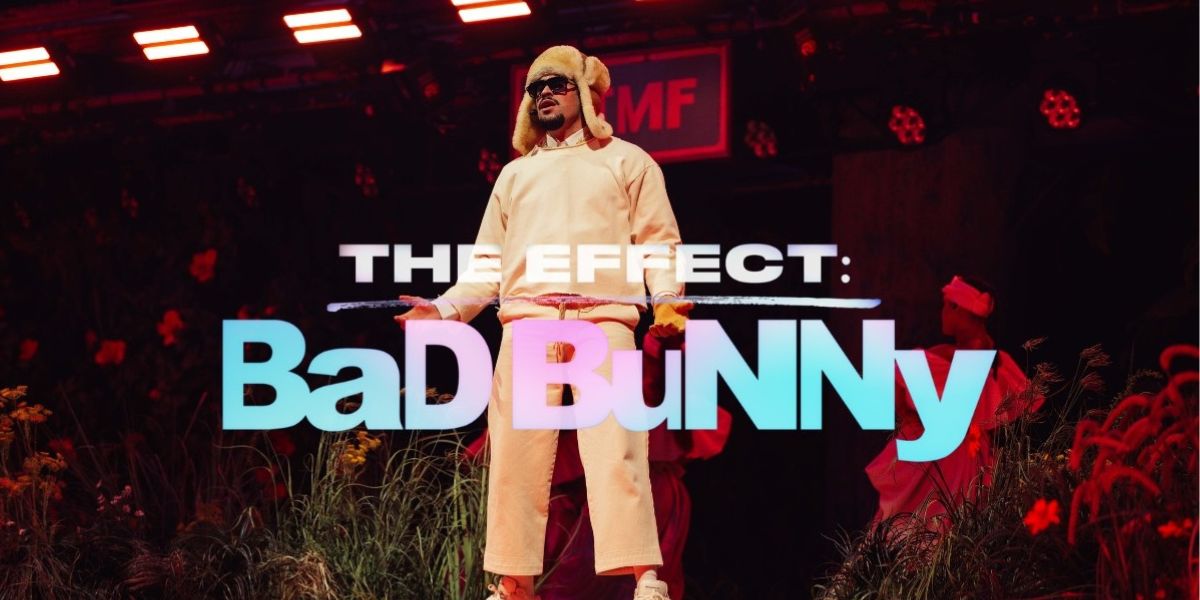
The documentary, The Effect: Bad Bunny — How Benito Became a Global Cultural Phenomenon, explores how a young artist from Puerto Rico went from uploading songs online to becoming one of the most influential figures in global music.

It dives into how Bad Bunny helped push Latin music further into the international mainstream, while staying true to his roots and continuing to release music primarily in Spanish.
Over the past few years, he has dominated streaming platforms, regularly ranking among the most-streamed artists on Spotify worldwide and generating tens of billions of streams across his catalogue. His music blends reggaeton, Latin trap and pop influences, helping introduce Latin sounds to new audiences across the globe.
His influence now extends far beyond music, shaping fashion, pop culture and conversations around identity and representation.
For Australian fans who are still reliving the excitement of his record-breaking Sydney shows, the documentary offers a fascinating behind-the-scenes look at how Bad Bunny became one of the biggest cultural forces in modern entertainment.
And the best part? You can watch the entire documentary right now for free on YouTube.